Much like in every day life, plants play a role across literature genres in major and subtle ways. Of course, there is flowery poetry and novels set in forests and gardens. But plants also ward off vampires or, in some cases, can be the villain. The Literary Garden: The Cultivation of Plants & Gardens in Narratives explores how plants appear across all literary genres. Learn more about how plants feature in science fiction, horror, and even plant horror texts.
Gothic fiction

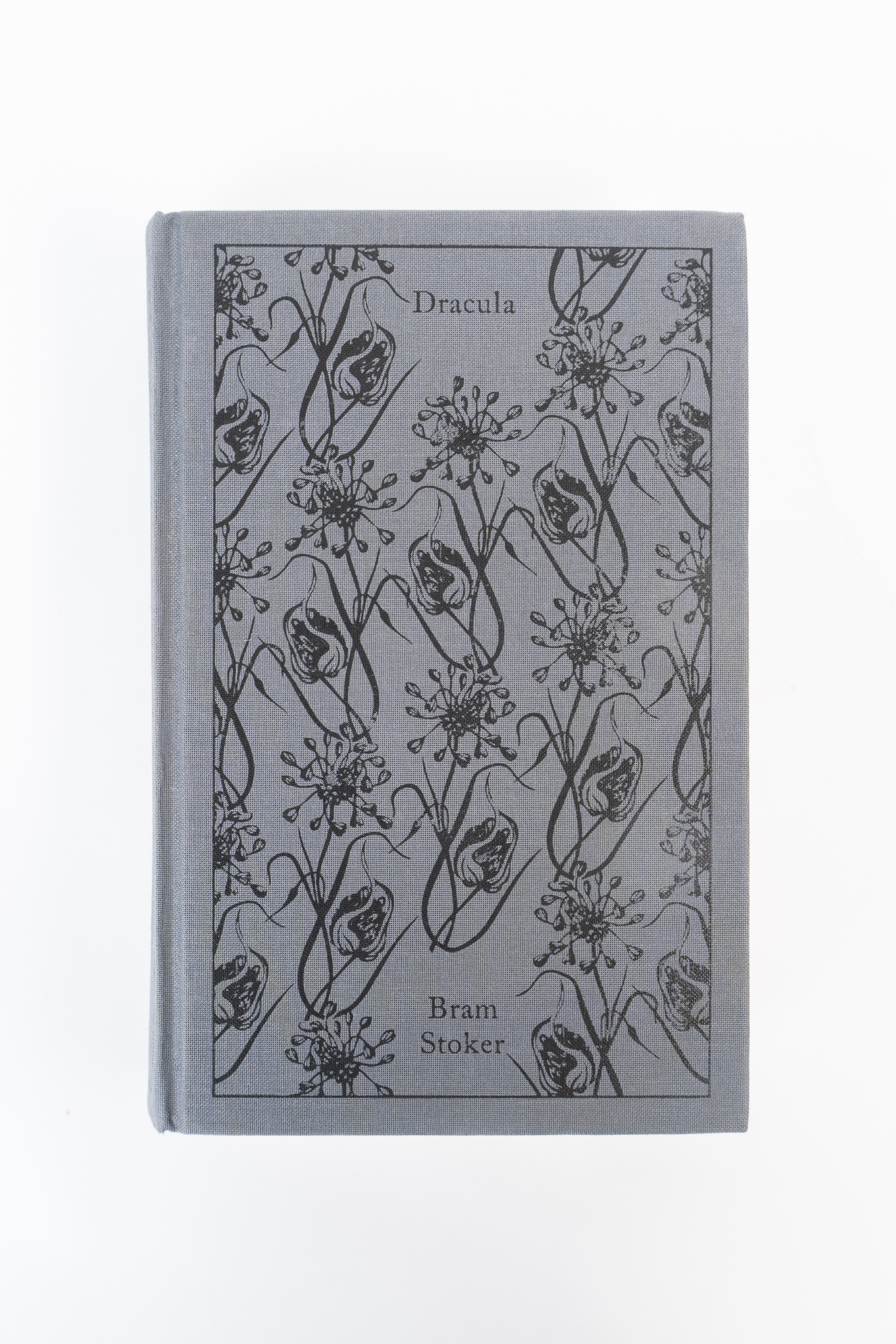
In Bram Stoker’s Dracula, garlic is a key ingredient to keep vampires away. Lucy by van Helsing even wears a garlic blossom garland to ward off future attacks after she is bitten.

Sorbus aucuparia. The wood of this tree is tough and flexible and was renowned for use to make stakes to kill vampires. Photo by Virginia Harold.
But it’s not the only plant with protective powers. A townswoman also gives protagonist Jonathan Harker mountain ash and wild roses for protection.

Mary Shelley’s Frankenstein explores the themes of the power of nature.

Perhaps the most iconic moment of Mary Shelley’s Frankenstein is when Victor Frankenstein uses lightning to bring his creature to life. But where did he get the idea to harbor the power of lightning? The novel describes when a young Victor Frankestein watched lightning destroy an oak tree.
Plant Horror and Science Fiction
In 1875, Charles Darwin published Insectivorous Plants. The public was captivated by the idea that plants could be carnivorous. Many stories, novels, and later films embraced this theme. Some, like Little Shop of Horrors, took a light-hearted approach while others had more serious environmental theme.

In The Day of the Triffids focuses on a fictional plant cultivated for valuable oil. The triffids eventually take on human characteristics and begin to kill humans en masse. The triffid can walk, communicate, and learn, presenting a great challenge to human identity. The book is significant for its environmentalist undertones.

The young adult novel Bloom tells the story of an environmental disaster caused by a mysterious invasive species of black grass that releases toxic fumes. It is the first of a science fiction trilogy, which touches on the signifcant environmental theme of invasive species.

infesting winter cereal crops and is resistant to pesticides. Photo by Virginia Harold.
See more about the Museum

Horror is just one of the many genre featured in The Literary Garden exhibition. The exhibition explores a diverse array of authors, genres and types of literature including children’s literature, cookbooks, comics including manga and anime, horror, fantasy, science fiction, authors and their gardens, murder mysteries and more. It is open through March at the Sachs Museum.
The Sachs Museums is open for visitors daily from 11:30 a.m. to 4:30 p.m.
Museum and exhibition content is available online at the Sachs Museum Instagram, Twitter/X, and Bluesky accounts. Please check the Sachs Museum page or Linktree for updates and future events.
Catherine Martin
Senior Public Information Officer
Many thanks to Museum Curator Nezka Pfeifer for the content.
Leave a Reply