Patterns in nature are everywhere in the natural world. At the Missouri Botanical Garden, we are exploring these natural patterns through Patterns in Nature: The Art of HYBYCOZO, on display through September 26.
On your next visit to the Garden, Butterfly House, or Shaw Nature Reserve, you can also explore natural patterns all around you. Take a closer look at flowers, trees, and insects. As we celebrate Native Plant Month this April, try looking closely for patterns in some of Missouri’s native flora.
Patterns in Nature: Flowers
Many Missouri native wildflowers produce petals, flowers, and bracts with interesting patterns.
Virginia Bluebell, Mertensia virginica
Bloom time: March/April

Golden ragwort, Packera aurea
Bloom Time: April

Robin’s plantain, Erigeron pulchellus
Bloom Time: April to June

Sand Phlox, Phlox Bifida
Bloom time: May

Blue star, Amsonia ciliata
Bloom time: May

Coneflowers
Bloom time: June to August


2023
Summer
Kemper Center
Justin A. and Rose J. Naumann Experimental Garden
Coneflower, Echinacea purpurea, ‘Rubinstern’ Ruby Star, Asteraceae
Sundos Schneider


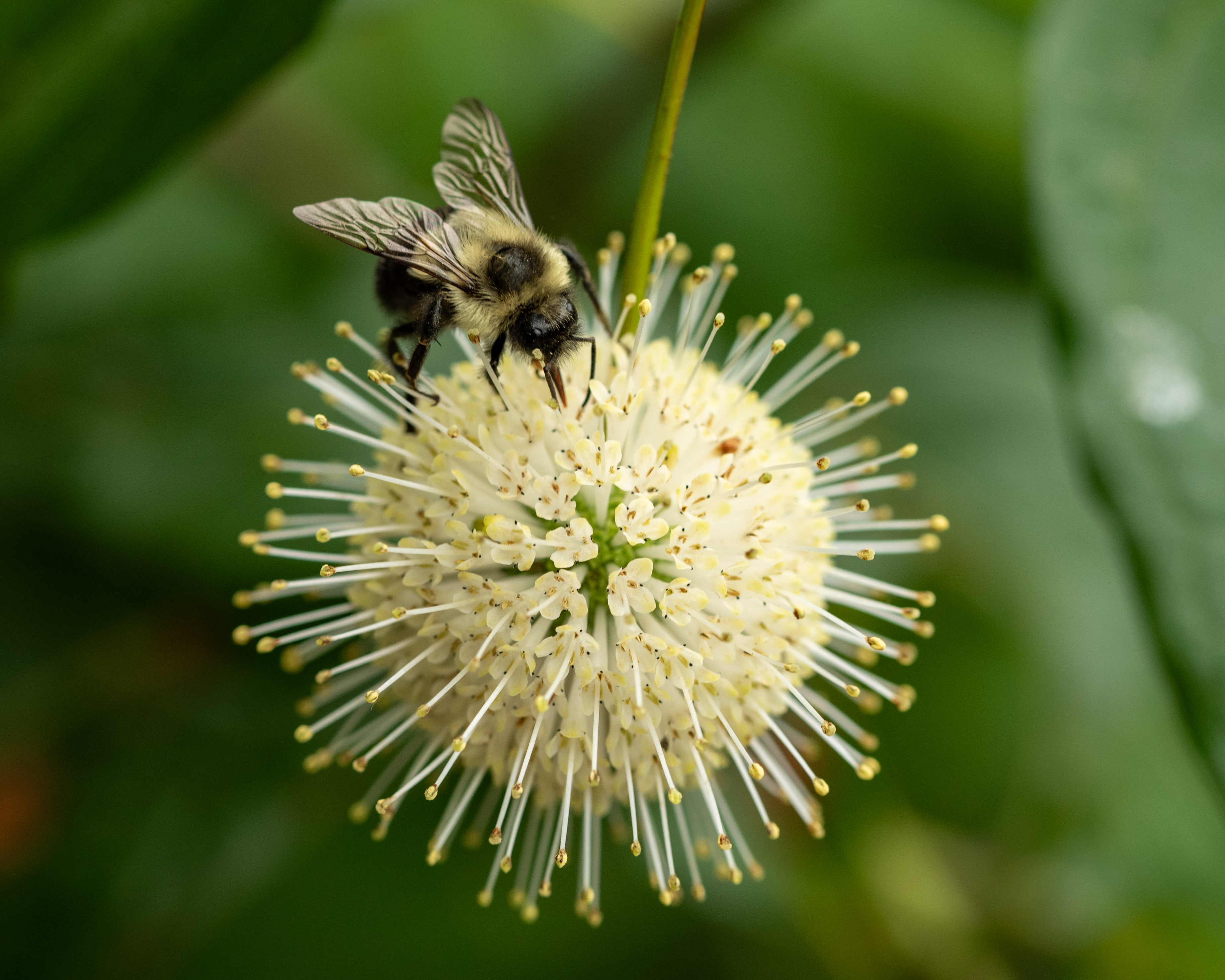
Buttonbush, Cephalanthus occidentalis
Bloom time: June

Rattlesnake master, Eryngium yuccifolium
Bloom time: June to September

Purple Passionflower, Passiflora incarnata
Bloom time: July to September

Aromatic aster, Symphyotrichum oblongifolium
Bloom time: September to November

Patterns in Nature: Leaves and cones
Patterns in nature aren’t just found in a plant’s flowers; its leaves, fruit, and bark can have eye-catching patterns, too.
red buckeye, Aesculus pavia

Ostrich fern, Matteuccia struthiopteris

Bald Cypress, Taxodium distichum var. distichum

Patterns in Nature: Fruit
While not all Missouri native fruits are sweet to eat, many produce pretty patterns if you take a closer look.
Sweet gum, Liquidambar styraciflua

Jack in the Pulpit, Arisaema triphyllum

Beautyberry, Callicarpa americana

Patterns in Nature: Bark
Dogwood, Cornus florida

Persimmon, Diospyros virginiana

River Birch, Betula nigra

Shagbark hickory, Carya ovata

Hackberry, Celtis occidentalis

American sycamore, Platanus occidentalis

Catherine Martin
Senior Public Information Officer
Leave a Reply